Minimally Invasive Sacroiliac Joint Fusion
Home Procedures Offered Advanced Procedures Minimally Invasive Sacroiliac Joint Fusion
Minimally Invasive Sacroiliac Joint Fusion
SI joint fusion is a surgical procedure that permanently connects the sacrum and ilium bones at the sacroiliac joint to alleviate low back pain that is not responsive to nonsurgical treatments.
Share this page:
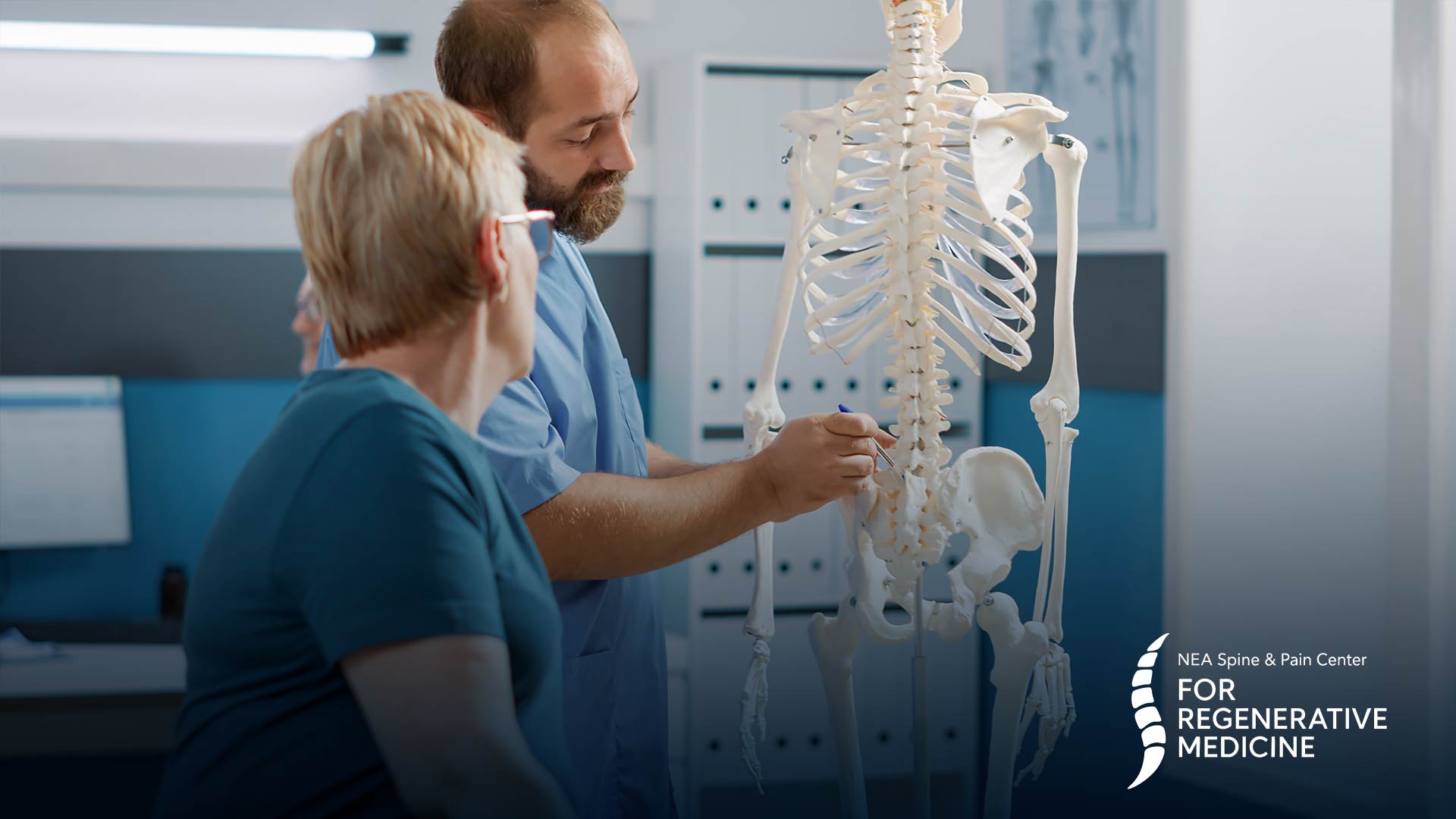
You may not even be aware of the existence of your sacroiliac joint until it malfunctions. This joint, which connects the base of the spine to the pelvis, can produce severe pain that extends down the leg when it is injured. Individuals who are greatly impaired by this type of pain may become unable to stand or walk. One of the most effective and recent procedures for alleviating sacroiliac pain is sacroiliac joint fusion (SI joint fusion). The SI joint fusion success rate is high, and the risk of sacroiliac joint fusion complications is low.
In order to fuse the SI joint, Dr. Abraham will implant titanium rods across the sacroiliac joint to provide stability under image-guided procedures. The procedure is done through a small incision, typically less than two inches in length, resulting in a faster recovery.
During your consultation, Dr. Abraham will review insurance coverage and provide an estimate of the cost of SI joint fusion surgery, which can vary by region and facility.
• Our team will position you face down during the SI joint fusion.
• Dr. Abraham will perform incisions (only a few centimeters in length) in the skin surrounding your SI joint.
• Dr. Abraham will remove any damaged bone or cartilage.
• To fuse the SI joint, he will insert triangle-shaped titanium rods through the ilium and into the sacrum under image guidance.
• He will ensure that the rods are securely in place before closing the incisions.
The bones in your sacroiliac joint will fuse and form a single unit as you recover. This results in a more stable, stronger, and less painful joint.
Even years later, individuals typically report that the surgery alleviates their discomfort by at least 50%. Pain may persist on occasion. However, you will be able to resume all of your regular physical activities, such as playing sports and exercising.
• Infections.
• Anesthesia-induced reactions.
• Bleeding.
• Pain.
• Exercise after SI joint fusion and walk (an assistive device, such as a cane or walker, may be necessary).
• Refrain from lifting more than 10 pounds (4.5 kilograms).
• Do not remain seated for more than 45 minutes at a time.
• Throughout the day, stand up and move for approximately ten minutes at a time.
• Sacroiliac joint fusion physical therapy may be necessary to assist in the recovery following the fusion of your SI joint.
• SI joint fusion recovery time extends to several months to achieve complete recovery.
After surgery, the majority of individuals can resume all their ordinary physical activities within three to four months. Dr. Abraham will provide you with a recovery timeline tailored to your specific needs. He will advise you on which activities, movements, or body positions to avoid during your recovery.
Dr. Abraham can also help you identify the best hospitals for SI joint fusion, ensuring advanced imaging technology and a highly trained health care team.
If chronic sacroiliac pain is limiting your life, board-certified anesthesiologist and pain management specialist Dr. Abraham can help. Schedule a consultation today to discuss your symptoms, review treatment options—including SI joint fusion—and receive a personalized plan for lasting pain relief.
What is the sacroiliac joint?
Sacroiliac joints are two joints that connect the sacra, 2 triangle-shaped bones located at the base of the vertebrae, to the iliac bones, the 2 upper parts of the pelvis. The sacroiliac joints may be the source of severe pain that may radiate into the leg. The sacroiliac joint dysfunction causes include damage to the ligaments or bony surfaces due to trauma, arthritis, or other conditions.What is a sacroiliac joint fusion procedure?
SI joint fusion is a minimally invasive procedure that permanently fuses the bones of your sacroiliac (SI) joints. If you underwent nonsurgical sacroiliac joint pain treatment that has not alleviated your persistent lower back pain or sacroiliitis, Dr. Abraham may suggest this procedure.In order to fuse the SI joint, Dr. Abraham will implant titanium rods across the sacroiliac joint to provide stability under image-guided procedures. The procedure is done through a small incision, typically less than two inches in length, resulting in a faster recovery.
How can I get ready for the SI joint fusion?
Before surgery, you will consult with Dr. Abraham, board-certified anesthesiologist and pain management specialist at New England Advanced Spine and Pain Center for regenerative medicine. He will inquire about the severity of your symptoms and the extent to which they impact your daily routine and quality of life. He will check your record of alternative treatments for SI joint pain and inquire about their efficacy.During your consultation, Dr. Abraham will review insurance coverage and provide an estimate of the cost of SI joint fusion surgery, which can vary by region and facility.
What happens during the SI joint fusion surgery?
• The day of your surgery, an anesthesiologist will provide you with general anesthesia. You will not experience any pain.• Our team will position you face down during the SI joint fusion.
• Dr. Abraham will perform incisions (only a few centimeters in length) in the skin surrounding your SI joint.
• Dr. Abraham will remove any damaged bone or cartilage.
• To fuse the SI joint, he will insert triangle-shaped titanium rods through the ilium and into the sacrum under image guidance.
• He will ensure that the rods are securely in place before closing the incisions.
The bones in your sacroiliac joint will fuse and form a single unit as you recover. This results in a more stable, stronger, and less painful joint.
How long does SI joint fusion last?
The average time required for SI joint fusion is approximately one hour. Dr. Abraham will inform you of the predicted outcome.What are the advantages of minimally invasive joint surgery?
A higher quality of life is frequently achieved through the fusion of the sacroiliac joint. Many individuals experience significantly reduced back pain following their recovery. When other therapies have failed, it is a safe and effective alternative.Even years later, individuals typically report that the surgery alleviates their discomfort by at least 50%. Pain may persist on occasion. However, you will be able to resume all of your regular physical activities, such as playing sports and exercising.
What is the success rate of SI joint fusions?
According to experts, over four out of five individuals who undergo SI joint fusion experience the benefits of SI joint fusion. They experience long-lasting, apparent pain relief.What are the minimally invasive SI joint fusion risks?
Patients often ask how safe is SI joint fusion, and current data show that the minimally invasive technique has a very low complication rate when performed by experienced surgeons like Dr. Abraham, so immediate adverse effects are uncommon following sacroiliac joint fusion; however, they may include:• Infections.
• Anesthesia-induced reactions.
• Bleeding.
• Pain.
What occurs following the fusion of the SI joint?
Minimally invasive sacroiliac joint fusion is typically performed as an outpatient procedure, allowing patients to return home the same day. Immediately following the procedure, Dr. Abraham will likely advise you to begin walking and moving. To prevent excessive weight or pressure on the surgical site, you may need to utilize a cane or walker till healing.What to expect after SI joint fusion?
Immediately following surgery, it is recommended that you:• Exercise after SI joint fusion and walk (an assistive device, such as a cane or walker, may be necessary).
• Refrain from lifting more than 10 pounds (4.5 kilograms).
• Do not remain seated for more than 45 minutes at a time.
• Throughout the day, stand up and move for approximately ten minutes at a time.
• Sacroiliac joint fusion physical therapy may be necessary to assist in the recovery following the fusion of your SI joint.
• SI joint fusion recovery time extends to several months to achieve complete recovery.
After surgery, the majority of individuals can resume all their ordinary physical activities within three to four months. Dr. Abraham will provide you with a recovery timeline tailored to your specific needs. He will advise you on which activities, movements, or body positions to avoid during your recovery.
SI joint fusion vs traditional surgery:
There are various methods for fusing the SI joint. Some procedures necessitate smaller incisions (minimally invasive), while others necessitate larger incisions (open surgery). Open surgery is typically regarded as a major procedure because a greater portion of the body must be exposed.Dr. Abraham can also help you identify the best hospitals for SI joint fusion, ensuring advanced imaging technology and a highly trained health care team.
If chronic sacroiliac pain is limiting your life, board-certified anesthesiologist and pain management specialist Dr. Abraham can help. Schedule a consultation today to discuss your symptoms, review treatment options—including SI joint fusion—and receive a personalized plan for lasting pain relief.