Spinal Cord Stimulation (SCS) Implantation
Home Procedures Offered Advanced Procedures Spinal Cord Stimulation (SCS) Implantation
Spinal Cord Stimulation (SCS) Implantation
Chronic pain can feel unbearable, limiting your life. Dr. Abraham offers hope by reducing pain signals, restoring function, and decreasing medication reliance through spinal cord stimulation.
Share this page:
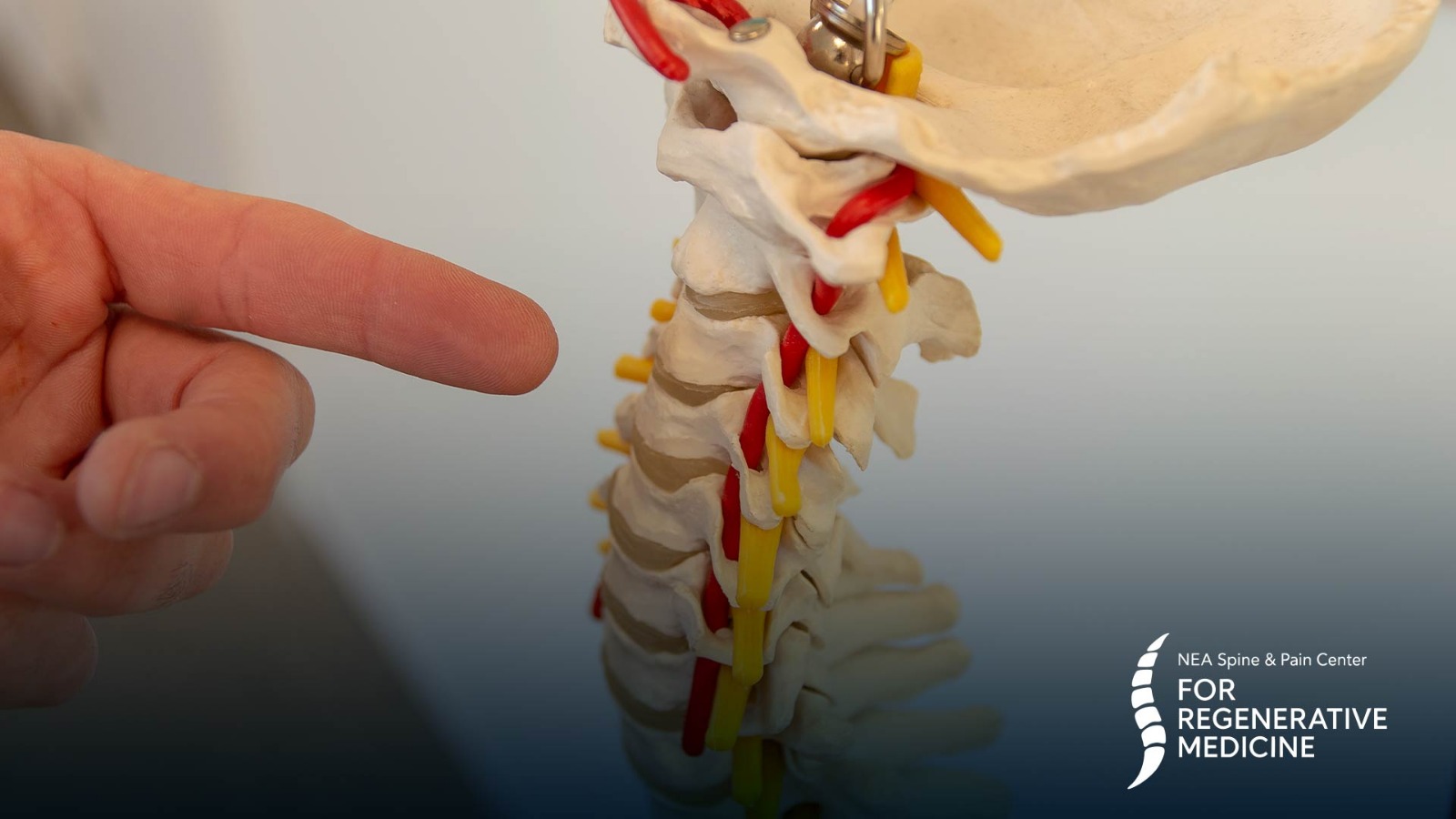
Living with constant pain is exhausting and overwhelming. When traditional treatments do not provide relief, finding a solution becomes essential to regain control of your life.
Spinal cord stimulation (SCS), or Dorsal column stimulation, is an innovative neurostimulation therapy used to treat multiple pain conditions. It can provide long-term relief for chronic pain, helping improve your physical, emotional, and social well-being.
Both spinal cord stimulation for neuropathy and spinal cord stimulation for chronic pain block pain signals transmitted from the spinal nerves to the brain. Patients undergo a trial period first to determine if the spinal cord stimulation is an effective option to improve function and decrease reliance on pain medication.
• A spinal cord stimulator generates a controlled electric field on these electrodes to interrupt the nerve conduction of pain signals to the brain.
• The implanted stimulator delivers appropriate stimulation to the spinal cord upon receiving signals from the remote control. The patient or a healthcare provider controls the external remote, which is battery-operated.
• Chronic neck or back pain.
• Arm or leg pain.
• Failed back surgery syndrome.
• Neuropathic pain.
• Chronic regional pain syndrome (CRPS).
• Radicular pain syndrome and radiculopathy.
• Reflex sympathetic dystrophy.
• Pain associated with nerve damage caused by diabetes (diabetic neuropathy).
• Post-laminectomy nerve damage.
Patients who are on a blood thinner or who have poorly controlled diabetes, heart disease, or an active infection should not undergo the procedure, or at least postpone it until their general condition improves.
When discussing permanent vs trial SCS outcomes, studies show that patients who experience significant relief during the trial phase are more likely to enjoy lasting benefits after permanent implantation.
The studies confirmed that the cost of spinal cord stimulation implant pays for itself within three to four years when compared to usual care because patients require fewer medical visits, reduced painkiller use, improved quality of life, better sleep quality, and higher activity levels, and are more likely to return to work.
• Under sterile conditions, the medical team of Dr. Abraham applies a local anesthetic to numb the skin and deeper tissues.
• Dr. Abraham passes an introducer needle into the epidural space of the spinal cord.
• Then he inserts the electrodes through the introducer needle.
• Temporary electrodes are placed under X-ray guidance and adjusted to secure stimulation for the area suffering from pain as much as possible.
• Dr. Abraham connects the leads to an external neurostimulator, which the patient holds on his back during the trial period.
• At the end, Dr. Abraham removes the introducer needle and secures the temporary wire to the skin with a small stitch.
• The patient uses an external trial stimulator to generate electrical impulses to stimulate the spinal cord.
• The trial procedure usually takes 30 to 90 minutes, and the spinal cord stimulator trial period lasts about a week, with a short trial spinal cord stimulator recovery.
• After placing the electrodes within the area from which pain originates, the medical team sedates the patient, and Dr. Abraham performs a small incision to implant the stimulator, an electric pulse generator.
• The location of the implantation depends on where the pain originates, which may be near the abdomen, upper buttocks, or upper chest.
• Patients are usually discharged the same day and can gradually resume activity within two to three weeks, thereby living with spinal cord stimulation in an ordinary pattern.
• Dr. Abraham provides his patients with a spinal cord stimulation surgery guide to help them recover quickly and safely.
If chronic pain is disrupting your daily life, schedule a consultation today with Dr. Abraham, board-certified anesthesiologist and pain management specialist at New England Advanced Spine and Pain Center for regenerative medicine, to help you choosing a spinal cord stimulator if you are an ideal candidate for that procedure.
Spinal cord stimulation (SCS), or Dorsal column stimulation, is an innovative neurostimulation therapy used to treat multiple pain conditions. It can provide long-term relief for chronic pain, helping improve your physical, emotional, and social well-being.
Both spinal cord stimulation for neuropathy and spinal cord stimulation for chronic pain block pain signals transmitted from the spinal nerves to the brain. Patients undergo a trial period first to determine if the spinal cord stimulation is an effective option to improve function and decrease reliance on pain medication.
What is spinal cord stimulation?
• A neurostimulation - spinal cord stimulator surgery is a minimally invasive procedure that stimulates the spinal nerves with tiny electrical impulses via a series of evenly spaced electrodes in the epidural space of the spinal cord.• A spinal cord stimulator generates a controlled electric field on these electrodes to interrupt the nerve conduction of pain signals to the brain.
• The implanted stimulator delivers appropriate stimulation to the spinal cord upon receiving signals from the remote control. The patient or a healthcare provider controls the external remote, which is battery-operated.
Am I a candidate for a spinal cord stimulation implant?
The best candidates for spinal cord stimulation (SCS) are people who have long-lasting and intense nerve pain from damaged nerves and haven't found relief with standard treatments. Patients with the following conditions can gain the benefits of SCS implantation:• Chronic neck or back pain.
• Arm or leg pain.
• Failed back surgery syndrome.
• Neuropathic pain.
• Chronic regional pain syndrome (CRPS).
• Radicular pain syndrome and radiculopathy.
• Reflex sympathetic dystrophy.
• Pain associated with nerve damage caused by diabetes (diabetic neuropathy).
• Post-laminectomy nerve damage.
Patients who are on a blood thinner or who have poorly controlled diabetes, heart disease, or an active infection should not undergo the procedure, or at least postpone it until their general condition improves.
SCS trial vs permanent:
After the failure of the conservative chronic pain treatment options, Dr. Abraham considers a trial of spinal cord stimulation. Before implanting the device permanently in a patient, a temporary spinal cord stimulator wire is placed for several days to allow experiencing the stimulation effect without having to undergo the implantation procedure. If this trial is successful in relieving pain, a permanent device can be placed under the skin at another scheduled procedure.When discussing permanent vs trial SCS outcomes, studies show that patients who experience significant relief during the trial phase are more likely to enjoy lasting benefits after permanent implantation.
Does spinal cord stimulation work?
Most patients are not sure that spinal cord stimulation would help them, so they will receive a permanent spinal cord stimulator only after a successful trial period. Dr. Abraham searches for a significant increase in tolerance or a noticeable reduction in the need for pain medication, or some combination of both.The studies confirmed that the cost of spinal cord stimulation implant pays for itself within three to four years when compared to usual care because patients require fewer medical visits, reduced painkiller use, improved quality of life, better sleep quality, and higher activity levels, and are more likely to return to work.
What are the steps of the spinal cord stimulator trial and implantation?
SCS trial procedure steps:
The trial phase involves spinal cord stimulation through thin wires inserted into the body, which is controlled by an external transmitter.• Under sterile conditions, the medical team of Dr. Abraham applies a local anesthetic to numb the skin and deeper tissues.
• Dr. Abraham passes an introducer needle into the epidural space of the spinal cord.
• Then he inserts the electrodes through the introducer needle.
• Temporary electrodes are placed under X-ray guidance and adjusted to secure stimulation for the area suffering from pain as much as possible.
• Dr. Abraham connects the leads to an external neurostimulator, which the patient holds on his back during the trial period.
• At the end, Dr. Abraham removes the introducer needle and secures the temporary wire to the skin with a small stitch.
• The patient uses an external trial stimulator to generate electrical impulses to stimulate the spinal cord.
• The trial procedure usually takes 30 to 90 minutes, and the spinal cord stimulator trial period lasts about a week, with a short trial spinal cord stimulator recovery.
Permanent SCS implantation process:
• The spinal cord stimulation permanent implantation is a surgical procedure that is performed in an operating room and takes from one to two hours.• After placing the electrodes within the area from which pain originates, the medical team sedates the patient, and Dr. Abraham performs a small incision to implant the stimulator, an electric pulse generator.
• The location of the implantation depends on where the pain originates, which may be near the abdomen, upper buttocks, or upper chest.
• Patients are usually discharged the same day and can gradually resume activity within two to three weeks, thereby living with spinal cord stimulation in an ordinary pattern.
• Dr. Abraham provides his patients with a spinal cord stimulation surgery guide to help them recover quickly and safely.
How painful is a spinal cord stimulator implant?
In the SCS implantation preparation, Dr. Abraham uses a needle to go through the skin and deeper tissues, which can cause some pain, but it can be managed with intravenous sedation and a local anesthetic.How long will the spinal cord stimulator device last?
The senza spinal cord stimulation system lasts for several years, varying from patient to patient, depending on the intensity and duration of stimulation required. The batteries can be replaced surgically whenever required.What are the SCS implant success rates?
It is difficult to ensure that the spinal cord stimulation system will actually help you, so electrodes are placed in the trial step to determine the spinal cord stimulator effectiveness, before implanting the permanent device, in relieving pain. Generally, successful trial stimulation results in patients experiencing a 50 - 70% reduction in pain.What are the spinal cord stimulator side effects?
The spinal cord stimulation SCS is a safe procedure, and permanent SCS implant recovery is so smooth. However, with any procedure, there is a possibility of permanent SCS implant risks, such as bruising, soreness, numbness or weakness, headache, bleeding, or infection.If chronic pain is disrupting your daily life, schedule a consultation today with Dr. Abraham, board-certified anesthesiologist and pain management specialist at New England Advanced Spine and Pain Center for regenerative medicine, to help you choosing a spinal cord stimulator if you are an ideal candidate for that procedure.