Kyphoplasty And Vertebroplasty
Home Procedures Offered Advanced Procedures Kyphoplasty And Vertebroplasty
Kyphoplasty And Vertebroplasty
Osteoporosis often causes painful spinal fractures. Dr. Abraham restores mobility and relieves pain through vertebroplasty and kyphoplasty, minimally invasive procedures with proven success.
Share this page:
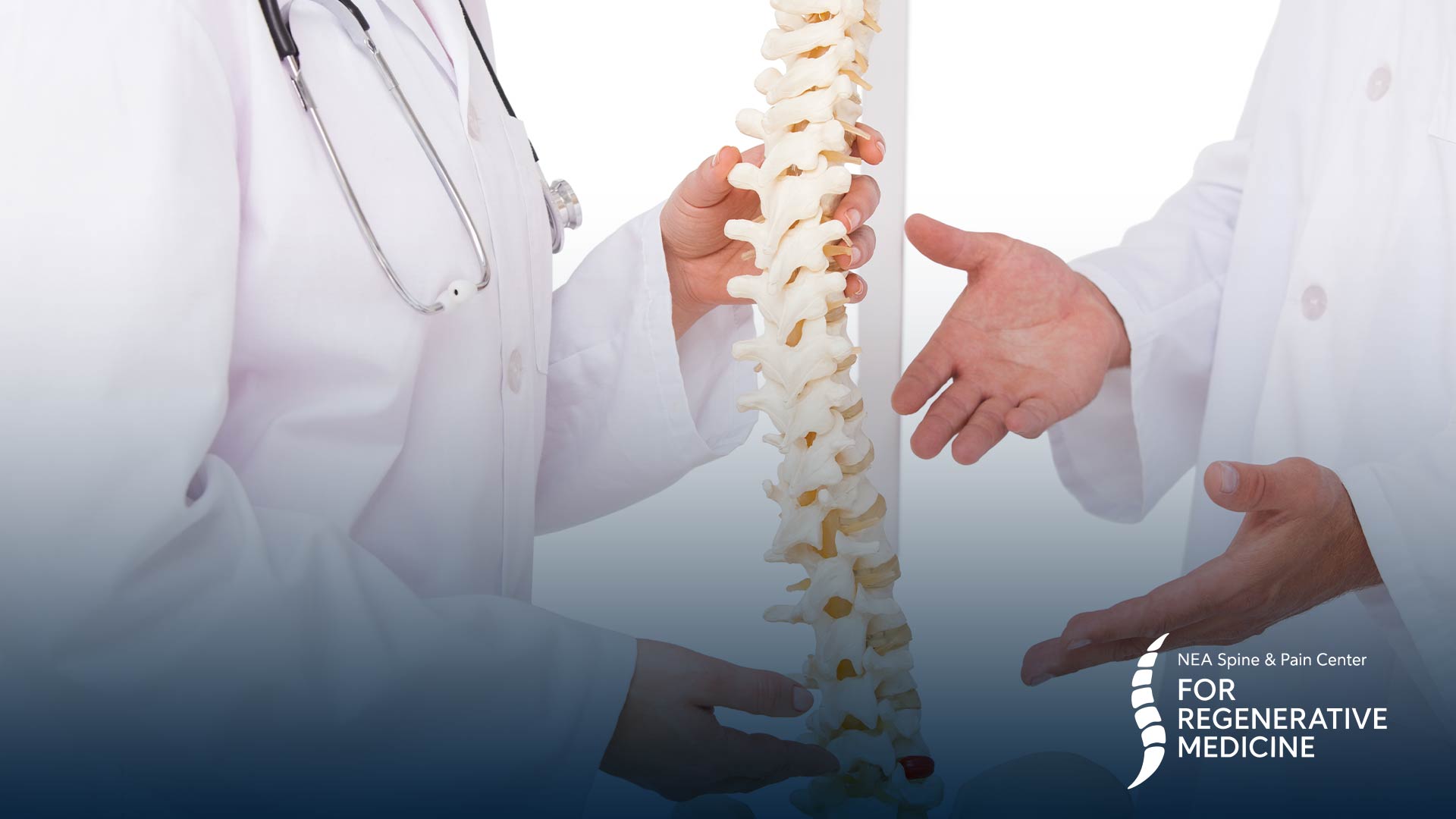
Osteoporosis is a prevalent condition that frequently results in vertebral spinal compression fractures as a result of bone density loss. A spinal compression fracture is painful because the vertebrae collapse, putting pressure on the spinal cord and nerves.
There is some positive news for those who have been diagnosed with this type of fracture. Kyphoplasty and vertebroplasty for spinal fractures are two surgical procedures performed by Dr. Abraham, board-certified anesthesiologist and pain management specialist, to assist in restoring one's quality of life.
Other potential causes of a spinal compression fracture include a spinal tumor or a spinal injury, such as a car accident or sports injury. However, the majority of spinal compression fractures occur as a natural part of the aging process. These fractures can affect both men and women, resulting in symptoms such as:
• Back pain that progressively worsens over time.
• Decrease in height with aging.
• Difficulty moving or twisting due to restricted spinal movement.
• Hunched or stooped posture.
• Numbness, tingling extremities, weak muscles, and difficulty controlling one's bowel or bladder.
If the compression fracture occurs suddenly, you may experience severe back pain that rapidly becomes unbearable.
• A spinal corset that provides support.
• Resting in bed for an extended period of time.
• Restricted physical activity to facilitate bone healing.
• Medication to alleviate back discomfort.
These are all conservative treatments that your physician may implement before making a surgical decision. When these do not work, vertebroplasty for back pain and kyphoplasty pain relief become surgical options. Many patients ask about kyphoplasty for osteoporosis as an effective treatment option. Patients often compare kyphoplasty vs spinal fusion to understand differences in stability and long-term outcomes.
• In the kyphoplasty procedure, small balloons are inserted and inflated between the spinal vertebrae. This increases the height of the vertebrae and lengthens the spine. The balloons are subsequently removed, and the resulting space is filled with a medical cement that dries quickly to provide support for the spinal column. This treatment alleviates pain and eliminates the pressure.
• The vertebroplasty is extremely similar to kyphoplasty; however, balloons are not employed. During the vertebroplasty, the doctor injects a small quantity of quick-setting medical cement directly into the fractured vertebrae. The cement stabilizes the fractured bone and provides some pain relief.
• Is kyphoplasty safe? Yes, with proper surgeon expertise, such as Dr. Abraham, a board-certified anesthesiologist and pain management specialist.
• What are vertebroplasty risks, vertebroplasty complications, and vertebroplasty side effects? These include cement leakage, infection, or nerve irritation, but the risks are low.
• What are alternatives to kyphoplasty? Options include conservative therapy or, in some cases, spinal fusion.
1. The procedure will involve you reclining face down on an operating table while under local anesthesia.
2. Dr. Abraham will utilize X-rays to precision-guide the balloon catheter (kyphoplasty) or the needle alone (vertebroplasty) into the fractured vertebra.
3. Then, Dr. Abraham will fill the vertebra with medical cement, which hardens in around 10 minutes.
4. After the surgery and a few hours of monitoring, you will be ready to return home to complete your recovery. You may experience back discomfort in the area where the procedure was performed for one to two days at home. Dr. Abraham typically suggests the use of an over-the-counter pain reliever and an ice compress.
If you are considering kyphoplasty surgery cost or comparing vertebroplasty vs kyphoplasty, trust the expertise of Dr. Abraham, board-certified anesthesiologist and pain management specialist at New England Advanced Spine and Pain Center for regenerative medicine. Schedule your consultation today to regain your life after vertebrae fracture.
There is some positive news for those who have been diagnosed with this type of fracture. Kyphoplasty and vertebroplasty for spinal fractures are two surgical procedures performed by Dr. Abraham, board-certified anesthesiologist and pain management specialist, to assist in restoring one's quality of life.
Spinal compression fractures:
Breakage of the vertebrae in the spine results in a spinal compression fracture. The vertebrae significantly influence your mobility. These small bones stack together to form the spinal column. Your spine safeguards the nerves that connect the brain to the rest of your body and enables you to move. Once a compression fracture occurs, the vertebrae collapse, causing the entire structure to shift. It may place pressure on the nerves in the spinal column and even restrict the flow of blood and oxygen in these regions.What is the cause of a spinal compression fracture?
A compression fracture of the vertebrae is frequently caused by osteoporosis. It is a condition that exacerbates bone fragility and increases their susceptibility to fracture.Other potential causes of a spinal compression fracture include a spinal tumor or a spinal injury, such as a car accident or sports injury. However, the majority of spinal compression fractures occur as a natural part of the aging process. These fractures can affect both men and women, resulting in symptoms such as:
• Back pain that progressively worsens over time.
• Decrease in height with aging.
• Difficulty moving or twisting due to restricted spinal movement.
• Hunched or stooped posture.
• Numbness, tingling extremities, weak muscles, and difficulty controlling one's bowel or bladder.
If the compression fracture occurs suddenly, you may experience severe back pain that rapidly becomes unbearable.
What are the treatments for a spinal compression fracture?
If osteoporosis is the cause of your spinal compression fracture, the physician is likely to seek treatment for that condition first. You may receive medication and vitamins to fortify your bones. As an additional treatment, your physician may prescribe physical therapy to fortify the bones and supporting tissues. Additional treatments may encompass:• A spinal corset that provides support.
• Resting in bed for an extended period of time.
• Restricted physical activity to facilitate bone healing.
• Medication to alleviate back discomfort.
These are all conservative treatments that your physician may implement before making a surgical decision. When these do not work, vertebroplasty for back pain and kyphoplasty pain relief become surgical options. Many patients ask about kyphoplasty for osteoporosis as an effective treatment option. Patients often compare kyphoplasty vs spinal fusion to understand differences in stability and long-term outcomes.
Kyphoplasty vs vertebroplasty:
Kyphoplasty and vertebroplasty are the two surgical procedures that can be used to solve a spinal compression fracture. The vertebroplasty procedure is quite similar to the kyphoplasty procedure. The vertebroplasty success rate and kyphoplasty reviews show that 80–90% of patients experience significant pain relief. The mechanisms employed during these procedures are the distinguishing factor between kyphoplasty and vertebroplasty.• In the kyphoplasty procedure, small balloons are inserted and inflated between the spinal vertebrae. This increases the height of the vertebrae and lengthens the spine. The balloons are subsequently removed, and the resulting space is filled with a medical cement that dries quickly to provide support for the spinal column. This treatment alleviates pain and eliminates the pressure.
• The vertebroplasty is extremely similar to kyphoplasty; however, balloons are not employed. During the vertebroplasty, the doctor injects a small quantity of quick-setting medical cement directly into the fractured vertebrae. The cement stabilizes the fractured bone and provides some pain relief.
Patients often ask:
• How long does kyphoplasty take? Typically, the kyphoplasty procedure takes less than an hour.• Is kyphoplasty safe? Yes, with proper surgeon expertise, such as Dr. Abraham, a board-certified anesthesiologist and pain management specialist.
• What are vertebroplasty risks, vertebroplasty complications, and vertebroplasty side effects? These include cement leakage, infection, or nerve irritation, but the risks are low.
• What are alternatives to kyphoplasty? Options include conservative therapy or, in some cases, spinal fusion.
How is vertebroplasty done, and what are the steps of kyphoplasty?
Kyphoplasty and vertebroplasty can be performed in an outpatient setting for patients who do not have any complicating factors. The recovery period for both procedures is approximately the same, as they are highly comparable. The following is expected to occur in both procedures.1. The procedure will involve you reclining face down on an operating table while under local anesthesia.
2. Dr. Abraham will utilize X-rays to precision-guide the balloon catheter (kyphoplasty) or the needle alone (vertebroplasty) into the fractured vertebra.
3. Then, Dr. Abraham will fill the vertebra with medical cement, which hardens in around 10 minutes.
4. After the surgery and a few hours of monitoring, you will be ready to return home to complete your recovery. You may experience back discomfort in the area where the procedure was performed for one to two days at home. Dr. Abraham typically suggests the use of an over-the-counter pain reliever and an ice compress.
Kyphoplasty or vertebroplasty recovery:
Although each patient is unique, you may be surprised by the rapidity with which your back pain resolves. Typically, patients can thoroughly rejoin their daily lives after two to three weeks of at-home recovery. Some patients report that vertebroplasty failed if fractures are severe or bone quality is too poor, but most experience lasting results. Typical vertebroplasty recovery and kyphoplasty aftercare include refraining from strenuous exercise or heavy lifting for a few weeks following the procedure. During this period, you will meet with your surgeon regularly to monitor your progress, and physical therapy may be recommended to help with your recovery.If you are considering kyphoplasty surgery cost or comparing vertebroplasty vs kyphoplasty, trust the expertise of Dr. Abraham, board-certified anesthesiologist and pain management specialist at New England Advanced Spine and Pain Center for regenerative medicine. Schedule your consultation today to regain your life after vertebrae fracture.