Managing Fibromyalgia
Fibromyalgia is a chronic pain condition affecting muscles and cognition. With proper diagnosis and pain management procedures, patients can effectively improve their overall quality of life.
Share this page:
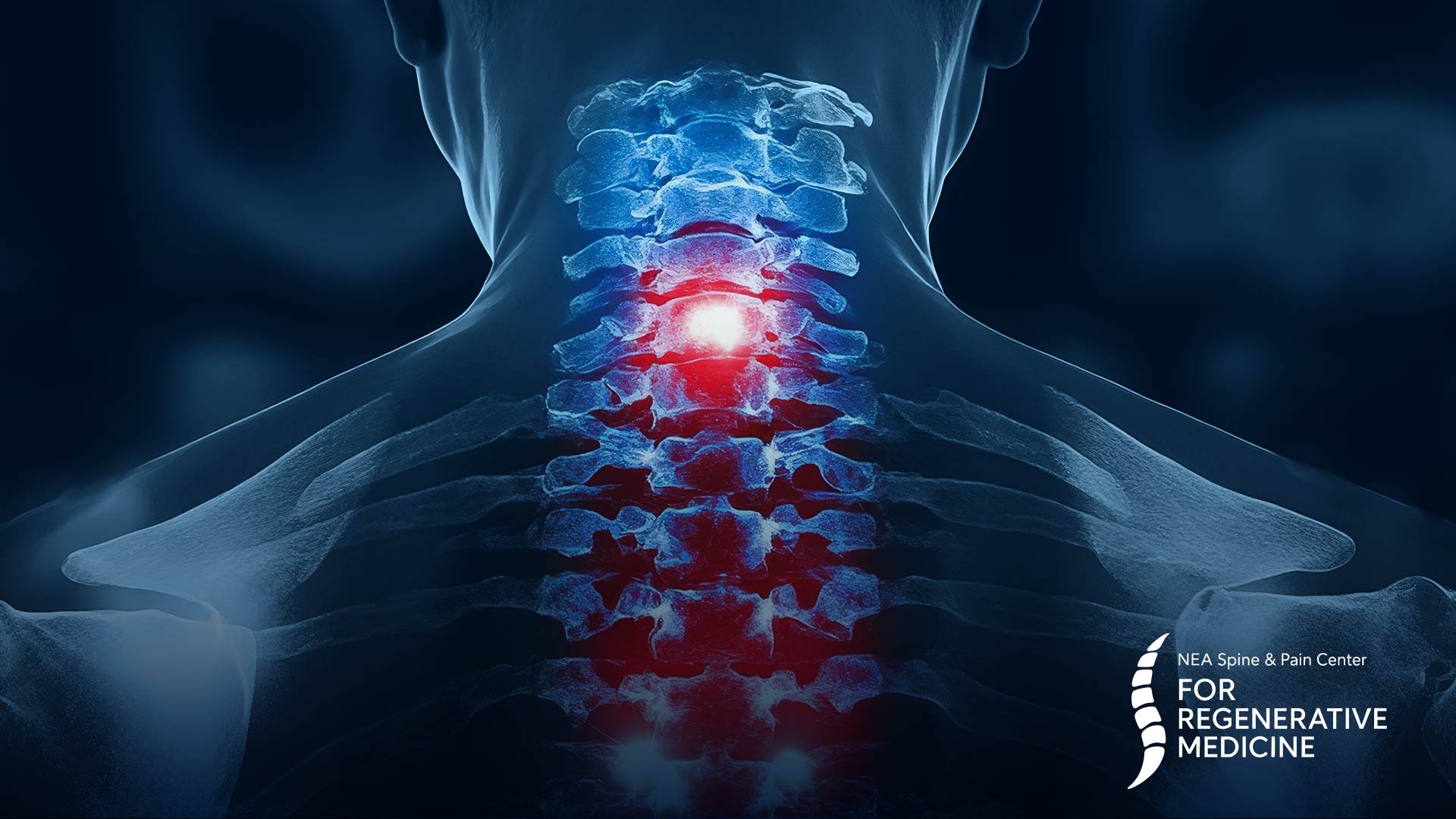
For years, fibromyalgia was a mystery. Patients complained of constant pain, fatigue, and brain fog, yet tests came back normal. Doctors often struggled to give answers. Things have changed. Research over the last two decades has provided a clearer picture. We now know fibromyalgia is a chronic pain condition that affects not only muscles and joints but also sleep, mood, and memory.
How does fibromyalgia shape daily life?
Fibromyalgia, sometimes called fibromyalgia syndrome, is not just “aches all over.” It’s a complicated condition that can completely reshape daily life. Some patients describe it as a deep muscle ache, while others define it as burning or throbbing pain. Add crushing tiredness to the mix, and even basic tasks, such as cooking, working a full day, keeping up with friends, can feel overwhelming.
The symptoms aren’t only physical. Mood swings, depression, and anxiety are common companions. Social life suffers too. Imagine feeling like your body is constantly running on empty, while a good night’s sleep never really comes. That’s the daily reality for many fibromyalgia patients. Still, with the right plan, many manage their symptoms and live full lives.
Possible causes for fibromyalgia:
No single cause has been proven. Most experts believe fibromyalgia results from a combination of factors:
• Family history: it tends to run in families. Yet having a relative with fibromyalgia doesn’t mean you’ll develop it. It just raises the risk.
• Central nervous system dysfunction: the brain and spinal cord may process pain signals abnormally.
• Triggers: infections, physical trauma, or ongoing stress may initiate or worsen symptoms.
Why is diagnosis difficult?
Fibromyalgia is not easy to confirm. There’s no single scan or blood test that proves it. Doctors usually rely on a combination of symptoms and exclusion of other diseases.
The challenge is that the complaints often look like other problems, such as thyroid issues or chronic fatigue syndrome. This overlap can delay a clear answer. In most cases, physicians check for body-wide pain lasting more than three months, together with fatigue, poor sleep, or memory issues. Some assessment tools exist, but the patient’s own report still plays a key role.
Fibromyalgia treatment: A multi-step plan
There is no permanent cure, but various options help patients cope. Management usually combines medicine, lifestyle habits, and supportive care. Each patient responds differently, so Dr. Abraham, a board-certified anesthesiologist and pain management specialist at New England Advanced Spine and Pain Center for regenerative medicine, plans a personalized planning for every case.
Lifestyle strategies:
• Eating a balanced diet rich in antioxidants (fruits and vegetables) and omega-3 fatty acids (fish and flaxseeds) can help reduce inflammation and improve overall well-being.
• Regular, low-impact exercise, such as walking, swimming, and gentle yoga, can ease pain and improve sleep. Studies show some patients notice up to 20% less pain with consistent activity.
• Good sleep habits, such as maintaining a bedtime routine and creating a restful sleep environment, are essential to symptom control because fibromyalgia often disrupts sleep.
Medications:
The FDA has approved three drugs:
• Pregabalin is used for nerve pain.
• Duloxetine is used for both pain and mood.
• Milnacipran, similar to duloxetine, is used for pain relief and energy.
Pain management procedures:
Fibromyalgia sufferers frequently have focused pain in certain locations known as trigger points. Trigger point injections relax the underlying muscle and reduce pain. For instant pain relief, trigger point injections usually include a tiny quantity of local anesthetic. Corticosteroids and other chemicals may also be present.
An implanted device called a spinal cord stimulator sends a weak electrical current into the epidural space surrounding your spinal cord. This device's function is to mask pain signals that are sent to your brain via your spinal cord.
3. Regenerative medicine, platelet-rich plasma (PRP) injections:
The natural healers in your body are platelets. They appear where an injury or inflammation has occurred to reduce swelling and hasten the healing process.
Because PRP targets the origin of your pain and safely and naturally relieves it, it's an excellent treatment for fibromyalgia pain. If you want to avoid taking prescription drugs, PRP is a highly appealing therapeutic option.
Fibromyalgia cannot be cured, but that doesn't mean you have to live with persistent pain forever. Dr. Abraham has the therapies and treatments you need to help you live the pain-free life you've always wanted.